Spotlight: July 2026
The World Came to Atlanta, and Atlanta Showed Up
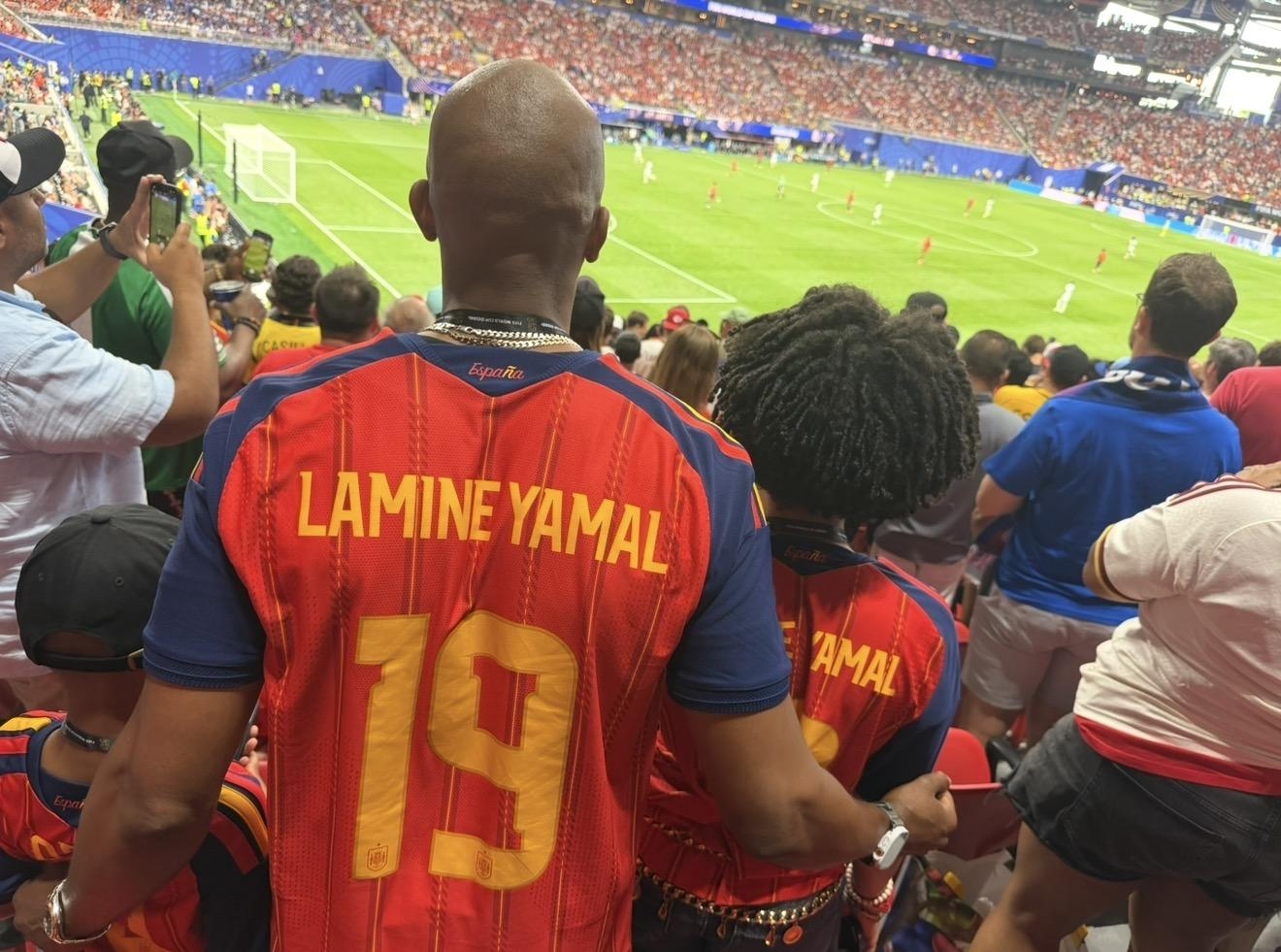
For 31 days this summer, Atlanta wasn't just a tech hub — it was a world stage. The city hosted eight FIFA World Cup matches, including a semifinal, but the story of July isn't just what happened inside Mercedes-Benz Stadium, it's what the World Cup revealed about Atlanta's readiness to host, scale, and convert a global spotlight into local opportunity — and what it still needs to prove about turning a month of momentum into lasting growth. Alongside the tournament, the city's tech and innovation engine kept running: a major life-sciences lease at Science Square, fresh venture funding for local startups, and continued build-out of the region's data center footprint. Here's the roundup.
World Cup Legacy: A Global Moment, A Local Report Card
By the numbers
- 8 matches hosted at Mercedes-Benz Stadium, including a semifinal
- 544,516 total stadium attendees
- 500,000+ visitors to the FIFA Fan Festival at Centennial Olympic Park
- 4.66 million MARTA trips during the tournament window — 1.6x typical volume for the same period in 2025
The economic case
Estimates of the tournament's economic impact range from $415 million to $503.2 million, with the Metro Atlanta Chamber's high-end figure capturing out-of-state visitor spending alone. Chamber chief economist Dr. Jerry Parrish called it "the largest global event in Atlanta since the 1996 Summer Olympics." Hotels booked 442,000 room nights between June 13 and July 16; occupancy dipped 4% year-over-year, but revenue per available room climbed 11%, and the convention sales team logged roughly 100 new leads it projects could bring $2 billion in future business over the next five to six years. On the ground, the boost was real for many small businesses — Junction Sub Shop, a 30-year family restaurant, saw weekly revenue jump 35% — but not universal: of 30 vendors in a city-backed small-business program, results varied widely, with one vendor investing roughly $130,000 and earning less than $1,000 back. As Professor Michael Edwards put it, "full hotels, busy restaurants and crowded fan festivals make compelling images, but they do not prove that the World Cup produced substantial new growth" — a reminder that Atlanta's real test is what it does with the momentum next.
Showcase Atlanta: the city's own scorecard
The City of Atlanta's Showcase Atlanta initiative put real dollars behind making sure the Cup benefited residents, not just visitors. The program onboarded 1,900+ small businesses into its Vendor Directory, connected 500+ to real opportunities, and created 390+ vending opportunities — including 54 food trucks that reported roughly $250,000 in combined sales. The city invested $1,222,500 across grants and resources, including a $500,000 Downtown Pop-Up Opportunity Fund, $100,000 in Digital Marketing Grants, $102,500 in Google Ad Credits, and $63,000 in microloans closed by Invest Atlanta. More than 30 workshops reached 1,000+ entrepreneurs, 2,100+ job seekers connected with employers, and eight youth entrepreneurs ages 16–21 got hands-on support. Community activations included eight funded watch parties and a Cultural Exchange that drew 15,000+ visitors over eight days, all adding up to 1.58 billion earned media impressions for the city. "My vision to make sure the World Cup happened with Atlanta and not to Atlanta was accomplished," said Mayor Andre Dickens. Local business owner Alexandria Hill reported a 20% sales increase through the program.
.png)
What's left behind
Beyond the balance sheet, the tournament leaves physical infrastructure upgrades: 24+ miles of roads repaved, 200 intersections restriped, 150 new streetlights, and 14 miles of sidewalk repaired ahead of the games. It's a legacy the city can point to well after the last fan flight home — alongside a harder question about the roughly 9 million tons of CO2 the tournament is estimated to have generated, most of it from air travel.
Corporate Expansion & Infrastructure
Duracell anchors new Science Square tower Science Square Labs topped out its tallest tower and landed its first major tenant: Duracell. The Connecticut-based battery giant signed for 59,000 square feet across two full floors in the Georgia Tech district (where Midtown meets English Avenue), building an R&D headquarters with more than 100 jobs relocating to Atlanta. Move-in is set for summer 2026. "A tremendous win for Atlanta and a testament to the city's vibrant ecosystem and top-tier talent," said Brandon Houston, TCC's managing director in Atlanta.
Data centers keep reshaping the region Metro Atlanta's 11 counties are emerging as a premier hyperscale data center destination, drawn by land availability, competitive electricity rates, and fiber connectivity. Construction employment in the Atlanta-Sandy Springs-Roswell metro reached 106,300 workers in January 2026, growing about 1% annually — but regional planners are cautioning that the pace of development is stress-testing land, energy, and water infrastructure, with coordinated planning needed over the next 12–18 months.
Public markets and M&A Atlanta-based QumulusAI began trading on the Nasdaq Global Market under ticker QMLS. And Atlanta's Geotab USA expanded its telematics footprint by acquiring Maryland-based Link Labs.
Funding & Innovation Milestones
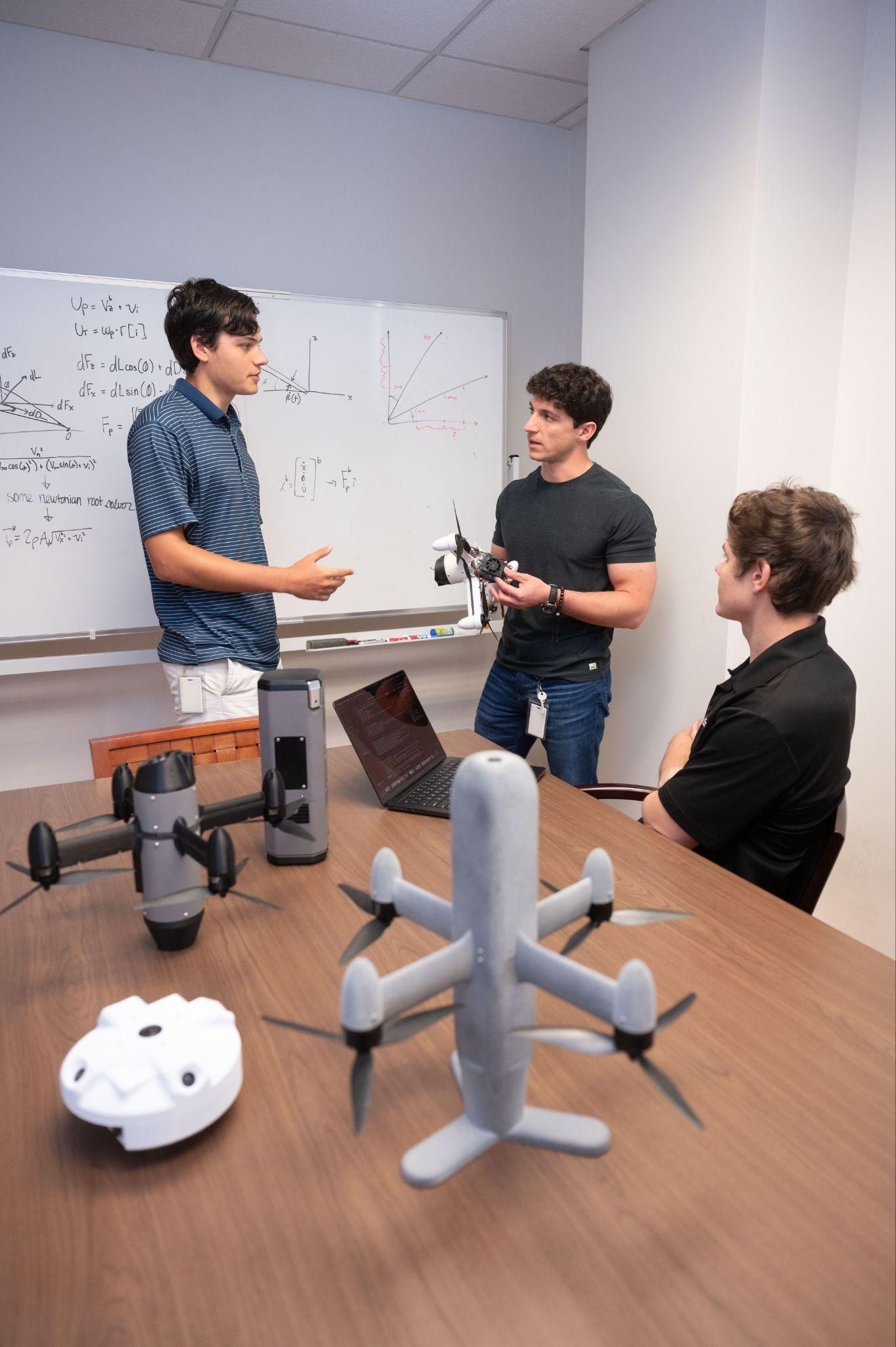
Askari Defense, raised a $9 million seed round to accelerate the development of its autonomous counter-drone technology. The Atlanta-based startup has especially deep roots in Georgia Tech: CEO and co-founder Robbie van Zyl, a 2023 Georgia Tech graduate, first pitched the idea that would become Askari through CREATE-X as a first-year student. His co-founders include his younger brother Marc van Zyl, a current Georgia Tech computer science student, and mechanical engineering graduate Benjamin Airdo. The team is translating that homegrown expertise in autonomous systems into rapidly deployable technology designed to detect, track, and counter emerging drone threats.
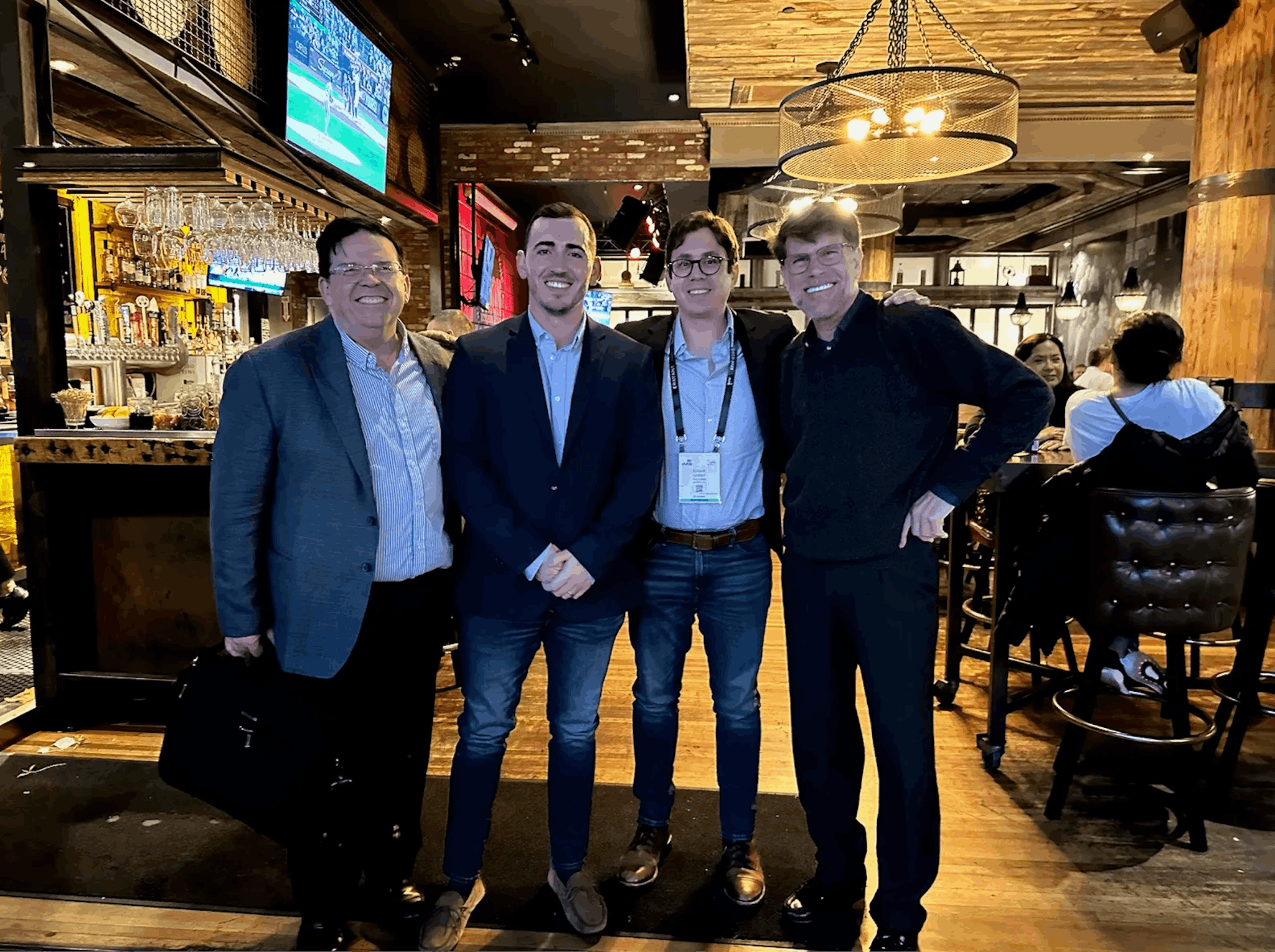
Falcomm, the Midtown Atlanta fabless semiconductor startup founded by Edgar Garay, Ph.D., has grown from 3 to 16 employees since 2023 and raised $10.5 million to date. In July, the company debuted GaNdalph, an AI-powered chip-design platform that cuts RF power-amplifier design time from months to about 90 seconds — showcased at the IMS 2026 conference and already in use with a "tier 1 aerospace customer."
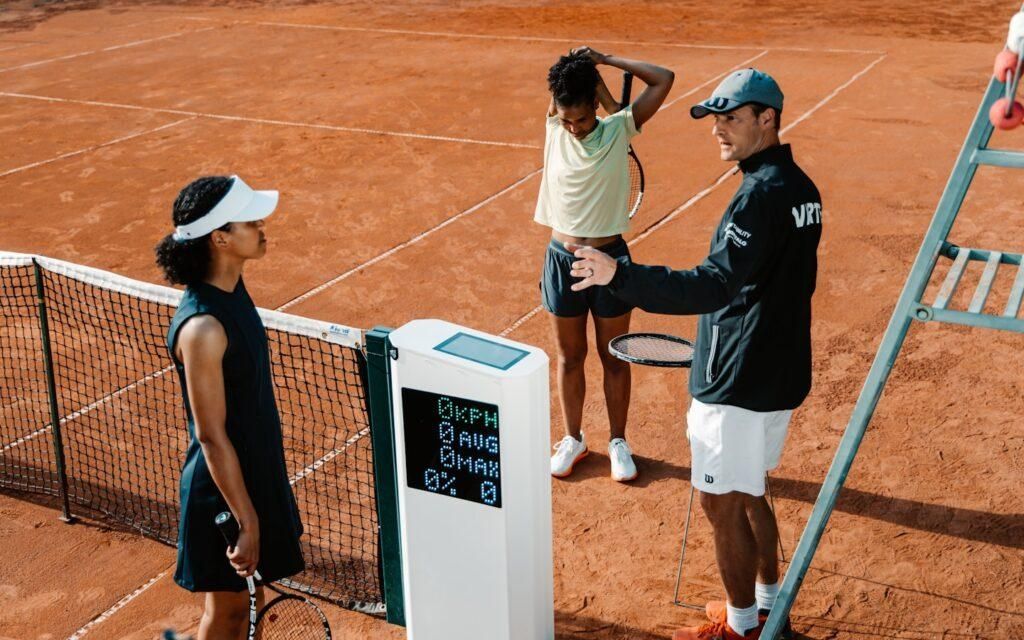
Zenniz, a Finnish sports-tech company building ITF-certified AI line-calling and smart-court technology, chose Atlanta for its new U.S. headquarters after raising $6 million from Butterfly Ventures, Superhero Capital, and Seventure Partners. The company is piloting its technology at Rome Tennis Center and partnering with the Atlanta-based INTENNSE professional tennis league. "We chose Atlanta because it is undeniably the heart of the Southern tennis community," said managing director Santtu Leskinen.